Ohio Drain Cleaning Specialist Insurance

9:00am - 5:00pm Mon-Fri
We'll Reply in 15min*
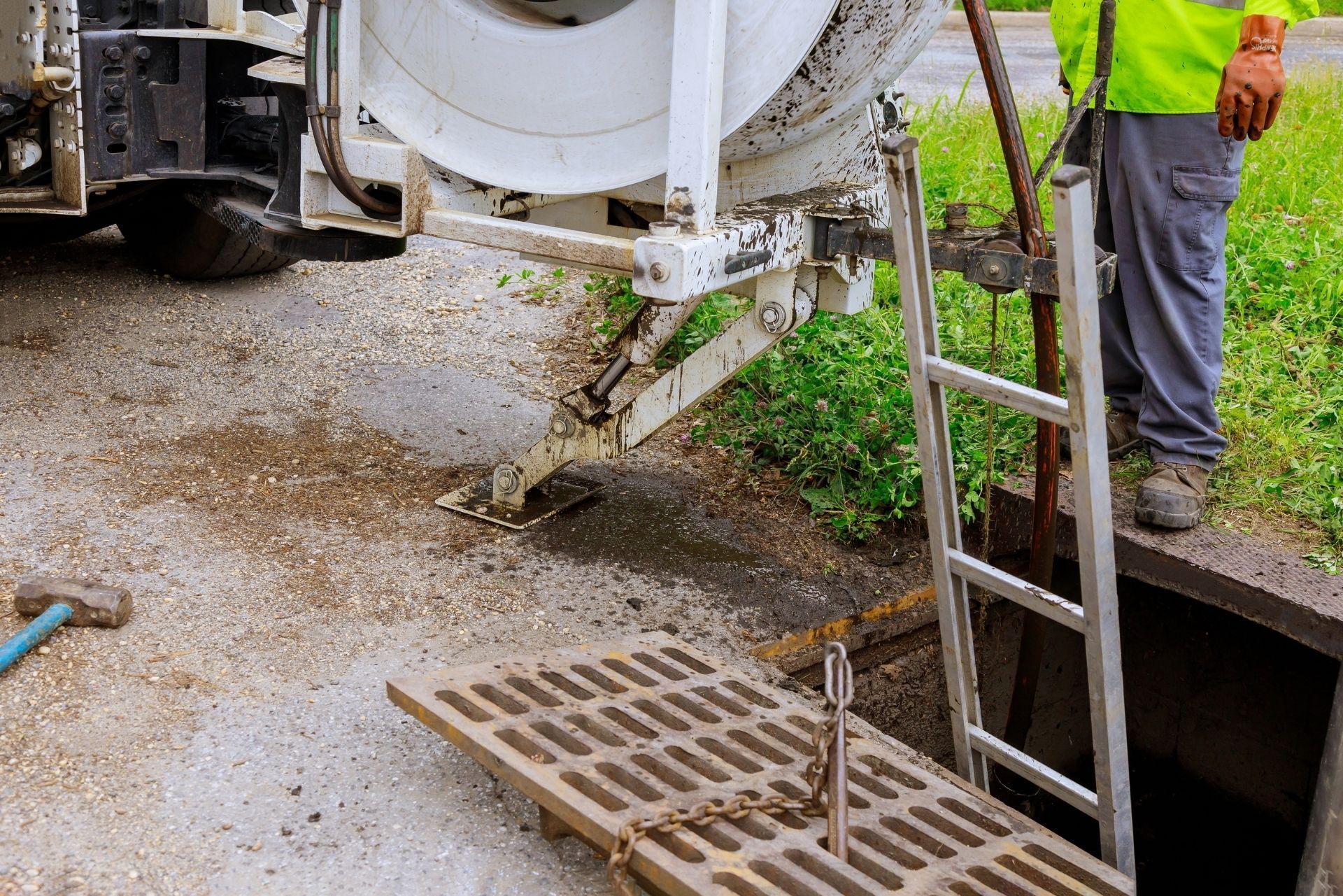
A backed up main line on a Saturday night, water spreading across a client’s basement, a family panicking while your crew works under pressure. If anything goes wrong in a scene like that, the repair bill, cleanup costs, and potential legal fallout can travel straight back to your business.
The cleaning and maintenance trade in Ohio is not a niche side market. The Janitorial Services industry alone is projected to reach 3.3 billion dollars in revenue by the middle of this decade, with more than thirty three thousand businesses competing for clients across the state, according to IBISWorld research on Ohio janitorial services. That much activity means more contracts, more liability language in those contracts, and more chances for something to go sideways.
Drain cleaning specialists sit in the middle of plumbing, janitorial work, and sometimes even light remediation. The jobs are messy, the environments unpredictable, and mistakes can be extremely expensive. The right insurance program turns those risks from something that keeps an owner up at night into a manageable cost of doing business.
Why Drain Cleaning Specialists in Ohio Need Targeted Insurance
Drain cleaning looks simple from the outside. Run a cable, clear the blockage, get paid. In reality, every job combines high pressure water, rotating machinery, and often limited visibility into what is happening inside the pipe. One wrong move can crack a line, flood a finished basement, or send sewage into a space that was clean an hour earlier.
Clients rarely see that complexity. What they do see is the damage if something goes wrong. They often assume any issue is the contractor’s fault, even when a line was already failing or installed incorrectly decades ago. That gap between perception and reality is where lawsuits start, and where liability insurance protects the business.
On top of that, many Ohio drain cleaners work in apartments, commercial facilities, schools, or health care settings. In those spaces, a simple slip and fall over a hose, a chemical splash, or a backup that closes a business for a day can become a major claim. Insurance is not just a safety net for rare disasters, it is also a buffer for the routine accidents that can easily wipe out a season’s profit.

By: Aaron McElwain
President of Bellwether Insurance
Core Coverages for Ohio Drain Cleaning Businesses
Not all insurance policies are created for the realities of drain cleaning. A basic policy that might be fine for a low risk office business will not stand up to water damage, property damage, and injury claims that come with clearing lines and sewers. The policies below form the backbone of a solid protection plan for Ohio drain cleaning specialists.
General Liability Insurance
General liability is the workhorse policy for most service contractors, and drain cleaning is no exception. It helps pay for third party bodily injury and property damage claims, along with related legal defense. A customer trips over a jetter hose, a cable scratches a hardwood floor, or a backup soaks through drywall, those are the kinds of losses this policy is designed to address.
Insurance professionals often describe general liability as the foundation of a contractor’s risk strategy. One Ohio based insurance agency that focuses on trades has called general liability the cornerstone of a plumbing business’s protection plan, a point that applies just as strongly to drain cleaning specialists who deal with similar water and property risks, as highlighted by Bellwether Insurance’s guidance for service and repair trades. Without this coverage, even a relatively small claim can force a business owner to dip into personal assets.
Business Owner’s Policy and Property Coverage
A business owner’s policy, often shortened to BOP, typically bundles general liability with coverage for business property. For drain cleaners, that property can include office furniture, tools, small equipment, and sometimes a portion of inventory or supplies. Buying these protections in a package often costs less than purchasing them separately, and it simplifies renewals and certificates of insurance.
Property coverage matters more than many owners expect. A theft from a work van, a small office fire, or a storm that damages stored cable machines can freeze operations. Without insurance to replace those essentials, even a strong client list cannot generate revenue.
Commercial Auto Insurance
Most drain cleaners live out of their vehicles. Vans and trucks carry jetters, cables, cameras, fittings, and safety gear from job to job. Personal auto policies usually exclude business use, especially when the vehicle is loaded with equipment or branded with company advertising. That gap can be costly if a crash happens on the way to a job or while leaving a client’s property.
A commercial auto policy covers liability for injuries and property damage caused by the vehicle, and it can be tailored to pay for damage to the business’s own vans and trucks as well. For drain cleaners hauling jetters and trailers, the right auto coverage is as important as the general liability policy that protects work on site.
Workers’ Compensation Insurance
Drain cleaning is physical work. Employees lift heavy machines, drag hoses up stairs, and often work in wet or confined spaces. Strains, slips, exposure to sewage, and tool related injuries are real possibilities. Workers’ compensation insurance steps in to help pay medical bills and a portion of lost wages when employees get hurt in the course of their work.
Ohio has its own system and rules for workers’ compensation, and most businesses with employees are expected to participate. Even small drain cleaning operations benefit from this coverage, because a single injury without workers’ comp can quickly become both a financial and legal problem for the owner.
Professional Liability and Errors Coverage
Most people associate professional liability with architects or accountants, but drain cleaners also make judgments that can have serious consequences. Choosing the wrong cleaning method for an aging line, misreading a camera inspection, or failing to warn a client about a visible defect can all turn into accusations that the contractor’s advice caused damage.
Professional liability coverage addresses claims that center on mistakes, oversights, or bad recommendations rather than purely physical accidents. For companies that provide detailed camera inspections, written reports, or consulting on line replacement, this coverage fills an important gap that general liability may not fully cover.
Equipment and Inland Marine Coverage
Drain cleaning tools are specialized and expensive. High pressure jetters, inspection cameras, locators, and large cable machines do not come cheap, and they are constantly on the move. Standard property policies often only cover items at a fixed business location, not while they are in transit or on a job site.
An equipment or inland marine policy is designed for mobile tools and machinery. It can help pay for repair or replacement if covered equipment is stolen from a vehicle, damaged in transit, or harmed in certain onsite incidents. For a drain cleaning business that relies on a few key machines, this coverage can be the difference between a short interruption and a long shutdown after a loss.
| Coverage Type | Primary Purpose | Why It Matters To Drain Cleaners |
|---|---|---|
| General Liability | Third party injuries and property damage | Handles slip and fall injuries, water damage, and accidental property damage on client sites |
| Business Owner’s Policy | Liability plus business property | Protects office contents, tools, and sometimes small equipment along with core liability |
| Commercial Auto | Vehicle related liability and physical damage | Covers vans and trucks that carry jetters, cables, and cameras from job to job |
| Workers’ Compensation | Employee injuries and lost wages | Responds to strains, slips, and other job related injuries for techs and helpers |
| Professional Liability | Claims tied to advice or professional errors | Addresses disputes over camera reports, recommendations, or alleged misdiagnosis |
| Equipment Coverage | Mobile tools and machinery | Helps replace stolen or damaged jetters, cable machines, and inspection cameras |
Licensing, Contracts, and Insurance Rules in Ohio
Insurance does not sit by itself, it connects directly to how an Ohio drain cleaning business is licensed and how it signs contracts. Statewide, cleaning businesses are expected to hold a business license issued at the county level, with the exact requirements set locally, a structure outlined in Insureon’s overview of Ohio cleaning business rules. While drain cleaning can overlap with plumbing or other trades, many county offices treat it as part of the broader cleaning and maintenance sector.
On the contracting side, landlords, property managers, and commercial clients often include specific insurance language in their agreements. It is common to see requirements for general liability, commercial auto, and sometimes workers’ compensation, along with minimum coverage limits and requests to be added as an additional insured. Those demands are not just paperwork, they are conditions for getting and keeping the work.
For public jobs or work with institutions, owners may also ask for proof of bonding. In those cases, a surety bond backs up the contractor’s promise to perform the work, while insurance responds if something goes wrong in the process. Keeping licenses current and certificates of insurance ready to send out makes it much easier to win higher quality clients and avoid delays at the start of a project.
How Ohio Cleaning and Remediation Trends Affect Drain Cleaners
Drain cleaning rarely appears alone in economic reports, but it sits inside a larger ecosystem of cleaning, maintenance, and environmental services. As that ecosystem shifts, the expectations placed on a small drain cleaning business shift along with it. Property owners who regularly hire janitorial or restoration firms get used to seeing polished insurance certificates, endorsements, and clearly defined limits.
Market research on Ohio’s remediation and environmental cleanup services indicates that this sector is expected to see ongoing annual growth across a span of years running from the middle of the last decade into the early years of the next decade, according to an IBISWorld report on Ohio remediation and cleanup services. That growth suggests more complex projects, more remediation oriented contracts, and more situations where drain cleaning is just one part of a broader cleanup effort.
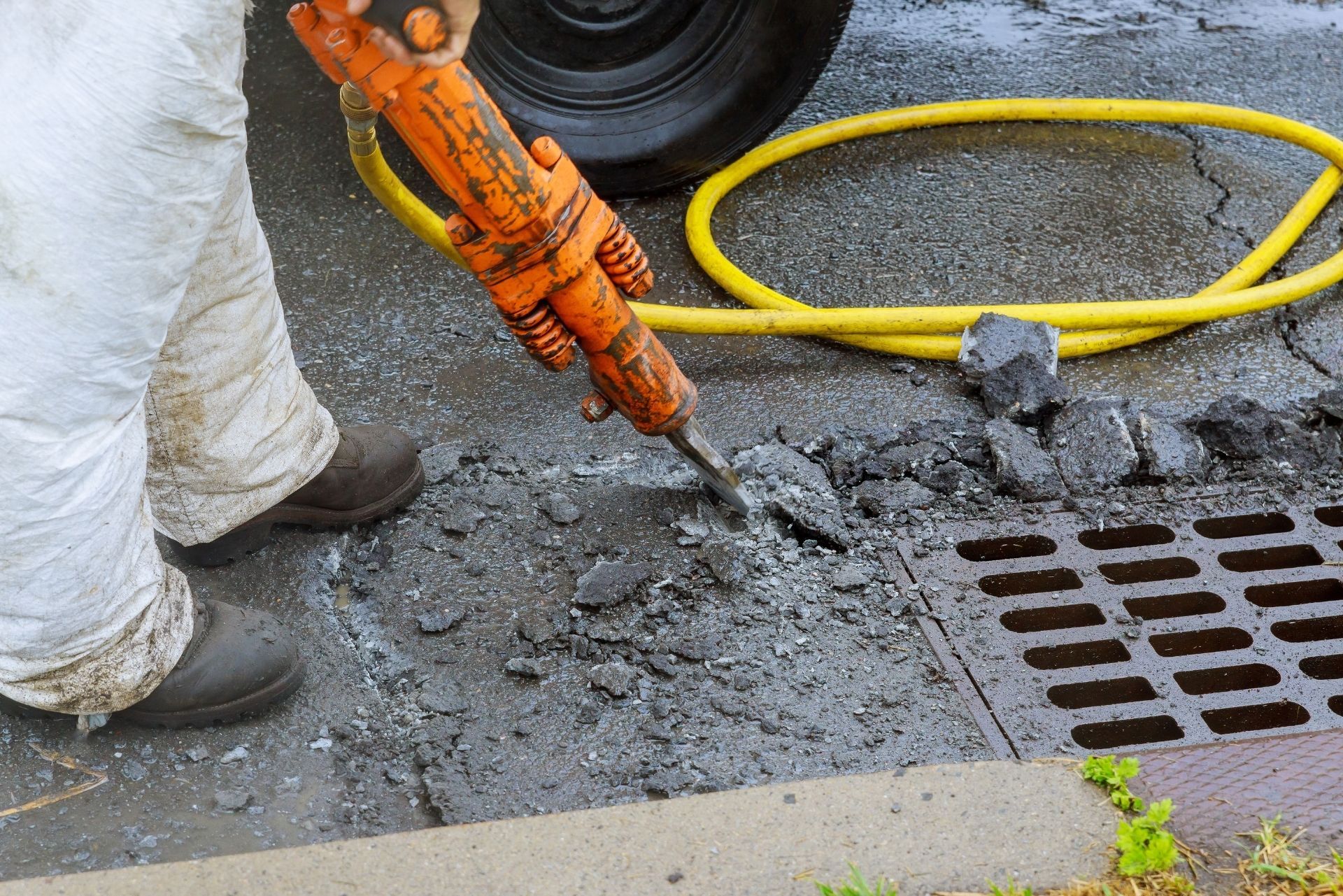
When drain cleaning companies step into that environment, they often work alongside restoration contractors dealing with sewage, mold, or contamination. Claims in those spaces tend to be larger and more complicated. Insurers pay close attention to how a drain cleaning business fits into that picture, which makes accurate coverage descriptions, honest applications, and risk conscious field practices all the more important.
What Does Insurance Cost for an Ohio Drain Cleaning Specialist
No two insurance programs look exactly the same. Carriers look at where the business operates, the types of properties it serves, its claims history, its safety practices, and the mix of services offered. A contractor who focuses on residential kitchen and bath lines will present a different risk profile than one who regularly handles sewer mains at industrial facilities.
Even with that variation, data from small cleaning operations in the state offers a useful benchmark. Many smaller cleaning businesses in Ohio pay an average of about forty two dollars per month for general liability coverage and about seventy dollars per month for a bundled business owner’s policy, according to premium figures shared by Insureon’s cleaning business insurance analysis for Ohio. Drain cleaning often carries more risk than light janitorial work, so actual premiums may be higher, but those figures help frame expectations.
From there, costs adjust based on coverage limits, deductibles, optional policies, and endorsements. Choosing higher limits raises protection but also premium. Selecting a larger deductible lowers the bill but shifts more of each loss back onto the business. The goal is to balance affordability with the reality that water and sewage damage claims can grow quickly, especially when walls, floors, and personal belongings are involved.
| Protection Level | Included Coverages | Best For |
|---|---|---|
| Bare Minimum | General liability, basic commercial auto | Very small solo operators who are just starting out and working on low risk sites |
| Balanced Protection | Business owner’s policy, commercial auto, workers’ compensation | Growing companies with employees, repeat clients, and a mix of residential and light commercial work |
| Premium Protection | Business owner’s policy with higher limits, workers’ compensation, commercial auto, equipment, professional liability | Covers medical costs and a portion of lost wages, protecting both the worker anEstablished drain cleaning contractors serving apartments, institutions, or industrial clientsd the business. |
Practical Steps to Build the Right Insurance Package
Choosing insurance is easier when it is treated like any other business process rather than a rushed chore. A little preparation before talking to an agent can lead to more accurate quotes and coverage that actually matches how the company operates.
The first step is to map out the work. List the types of jobs handled in a normal week, the kinds of properties visited, and any higher risk tasks such as cleaning sewer mains, using high pressure jetters, or working in confined spaces. Note whether camera inspections and written reports are part of the offering, and whether any subcontractors are used. This operational snapshot helps an insurance professional understand where the real exposure lies.
Next, gather existing paperwork. If the business already has policies in place, review the declarations pages to see current limits, deductibles, and covered locations. Make a folder of contracts, leases, or vendor applications that spell out required insurance limits or endorsements. Bringing that information to the quoting process prevents surprises later when a new client demands coverage that the current policy does not provide.
With that groundwork done, a business owner can have a more focused conversation with an insurance advisor. Good questions to ask include how water damage claims are handled, what exclusions apply to work on older or damaged lines, and how equipment is covered while in transit or stored overnight. It is also worth asking about risk control resources. Some insurers offer training materials, safety suggestions, or even discounts for documented safety programs.
- Review safety practices for using jetters, cables, and power tools, and document procedures.
- Standardize client contracts and work orders so they align with insurance requirements and do not promise unrealistic results.
- Keep incident logs, even for small mishaps that do not turn into claims, to spot patterns and address them early.
- Schedule an annual policy review, ideally before renewal, to adjust coverage as the business grows or changes direction.
Frequently Asked Questions about Ohio Drain Cleaning Insurance
Owners and managers in the drain cleaning trade often ask similar questions when they first dig into insurance. The answers below address some of the most common concerns in straightforward terms.
Is general liability really necessary if most of my work is small residential jobs
Yes. Residential work can still lead to expensive water damage, injuries, or disputes about property damage. General liability helps protect the business when a homeowner blames the contractor for a problem, even if the line was already failing.
Does my personal auto policy cover my van if I use it for drain cleaning jobs
Usually not. Personal auto policies generally exclude business use, especially when the vehicle carries heavy equipment or has business signage. A commercial auto policy is the better fit for work vehicles.
Do I need workers’ compensation if I only use helpers occasionally
If those helpers are treated as employees, even part time, they can trigger workers’ compensation requirements. It is important to discuss hiring arrangements with an insurance professional and, if needed, a legal advisor to avoid misclassification problems.
What is the difference between a bond and liability insurance
A bond guarantees performance or payment under specific conditions, often to a public entity or large client. Liability insurance helps pay for injuries or damage caused in the course of work. Some jobs require both, but they serve different purposes.
Can insurance help replace my jetter or camera if it is stolen
Yes, if the right coverage is in place. An equipment or inland marine policy is usually needed to protect mobile tools and machinery that move between the shop, vehicles, and job sites.
Will my policy cover damage to old or fragile pipes
It depends on the policy wording and how the damage occurred. Some insurers limit coverage for damage to property being worked on, or for pre existing defects, so it is important to review those sections closely and ask clear questions during the quoting process.
How often should I review my drain cleaning insurance program
At least once a year, and any time the business adds new services, vehicles, or employees, or starts working with a different type of client. Regular reviews keep coverage aligned with real world risk.
Key Takeaways for Ohio Drain Cleaning Business Owners
Ohio’s drain cleaning specialists work in a demanding environment where a routine job can quickly turn into a high stress, high cost problem. As clients become more sophisticated and as the wider cleaning and remediation sectors in the state continue to mature, they also expect contractors to carry appropriate insurance and bonding. Recent guidance aimed specifically at Ohio cleaning businesses stresses the importance of pairing solid general liability with the right mix of property, bond, and specialty coverages to create real peace of mind, a point echoed in a detailed guide from McMichael Insurance Agency on insurance and bonding options for Ohio cleaning companies.
The most effective insurance program is not about chasing the cheapest premium. It is about understanding the real risks of drain cleaning, matching those risks to coverages that actually respond, and keeping policies aligned with how the business operates day to day. With thoughtful planning and the right professional advice, drain cleaning owners can protect their crews, their clients, and the companies they have worked hard to build.
About The Author:
Aaron McElwain, CIC
As President of Bellwether Insurance, I’m passionate about helping individuals and businesses protect what matters most through honest advice and reliable coverage. With my Certified Insurance Counselor (CIC) designation and years of industry experience, I focus on simplifying insurance, building lasting relationships, and delivering peace of mind through every policy we write.
OUR PERSONAL INSURANCE COVERAGE IN OHIO
Explore Personal Insurance Coverage in Ohio
We only work with outstanding insurance companies that offer great value and continually impress our clients.

Home Insurance
Protecting Ohio homes, ensuring comfort

Life Insurance
Safeguard futures, cherish moments

Umbrella Insurance
Extra coverage, ultimate peace

Car Insurance
On the road, confidently insured

Condo & Renters Insurance
Customized policies, worry-free living

Motorcycle Insurance
Ride fearlessly, enjoy the journey
Choose Bellwether Insurance Today for Personalized Protection
Get a Plan Tailored to Your Lifestyle
Bellwether Insurance evaluates the risks you and your family face, taking into account your assets, personal circumstances, and individual requirements to create a tailored insurance solution.
Recover with Confidence
With our personal insurance coverage, you'll be prepared to bounce back from unforeseen events that could have left you and your family in a difficult financial situation.
Avoid Overpaying
Through customized insurance plans, you'll receive adequate coverage without unnecessary costs. At Bellwether Insurance, we strive to keep premiums cost-effective while providing the protection you need.
Review from our Clients
Customer Testimonials
See why Ohio residents work with Bellwether Insurance Agency in LaGrange, Ohio


Arun K.
Personal Insurance Client
After a decade old relationship with a premium and commercial insurance provider.. my switch to Bellwether has left me wondering why I waited so long. Primarily my experience has been dealing with Jessica Fox.. and she's been awesome to work with. She's super responsive, stays on top to follow up on your enquiries and really gets things done to delight customers.

Rob J.
Personal Insurance Client
Absolute pleasure to work with. Sandra has taken care of all my insurance needs for over 2 years now. Bellwether was able to save me quite a bit of money over previous carrier. Always giving heads up on any changes, or weather it’s time to check for new price she’s on top of it. I recommend them often to friends and family.

Nick W.
Personal Insurance Client
Aaron and Sandra are amazing! I faithfully stayed with my previous insurance for over ten years until I had them review my policies. Wish I would have done it years ago. Saved me quite a bit of money as well as gaining coverage what's not to love? They respond very quickly and professionally. I work in sales as a profession so it's great to see that level of attention and attentiveness provided here. Stop your search and give them a shot you won't regret it. On a side note even though it is something so small I love the fact they send laminated copies of insurance cards anytime you make a change. 10/10

Bobby P.
Personal Insurance Client
Bellwether Insurance is the best ever! Always there when I need them and always has the answers with quick replies. I will never go with a different Insurance Agent. If I could, I would give then a 10 Star review! Thanks Sandra for all your help!